

Xinger Wei
Download PDF
Nov 9 2025
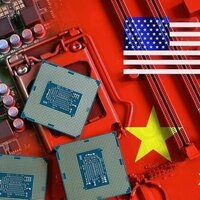
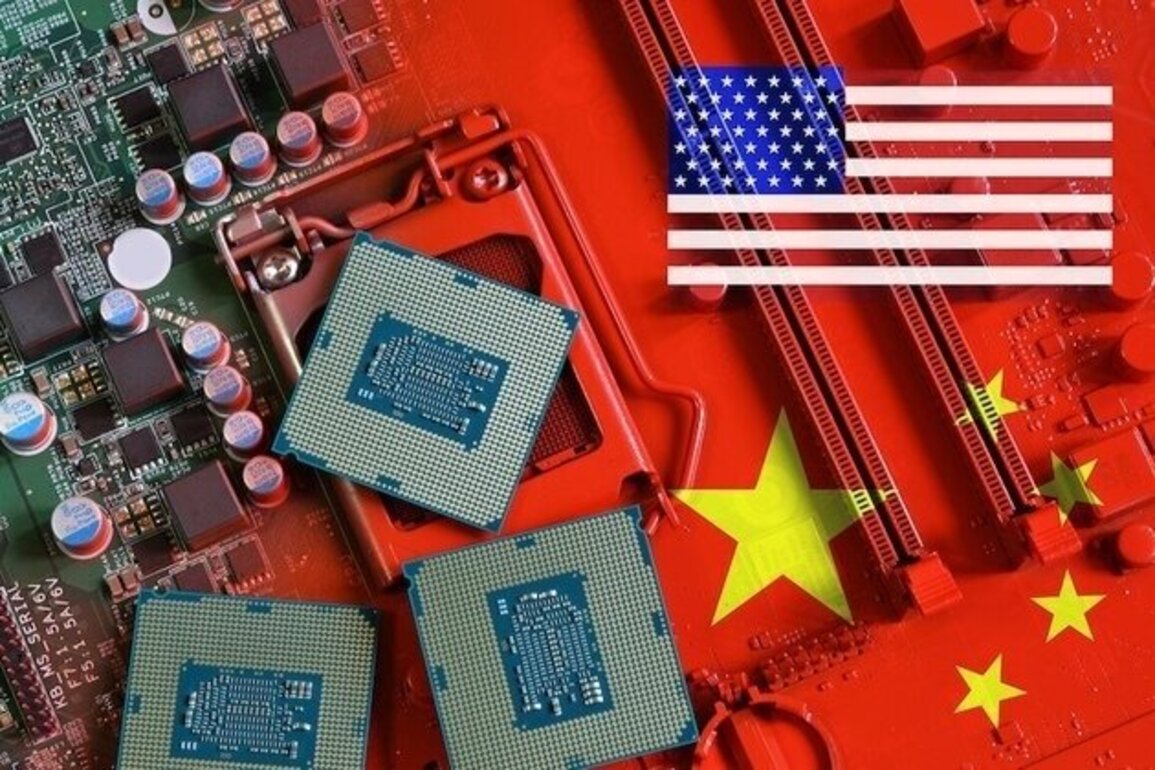
Dan74/DepositphotosIn December2024, Chinas State Administration for Market Regulation (SAMR)opened an antitrust investigation into US chipmaker Nvidia, alleging that the company failed to honour commitments attached to its 2020 purchase of the Israeli networking firm Mellanox. By September2025, the regulatorissuedapreliminary findingthat Nvidia had violated Chinas antimonopoly law and would continue its probe. This apparently commercial case illustrates how SinoUS technology competition has shifted from product rivalry to legal warfare. As Washington tightens export controls on cuttingedge chips, Beijing is increasingly using its own legal framework to regulate foreign firms, signalling that the contest is becoming legalised.
SAMRs investigation into Nvidia has focused on two key issues. The first concerns Nvidias alleged bundling of Mellanox networking equipment with its GPUs, which could restrict customers access to competing accelerators. The second involves the launch of theChina-specific H20 chipsmodified to comply with U.S. export controlsan act seemingly inconsistent with Nvidias earlier pledge to provide Chinese clients with fair and non-discriminatory access to its products. Beyond procedural considerations, the timing of the investigation and its preliminary findings may also reflect Beijings growing confidence in domestic semiconductor capacity. A comparison of Nvidias core product lines further suggests that Chinese firms are catching up across multiple fronts and have already developed viable alternatives.
Within the broader context of ChinaUS technology competition, the investigation reflects Chinas resolve to respond symmetrically to Washingtons tightening of export controls. The United States repeatedly updated itsexportcontrollists in 20232024, restricting sales of advanced AI chips by Nvidia and other suppliers to Chinese customers. Beijings probe into the Mellanox deal is therefore more than a routine compliance check; it is a strategic countermeasure demonstrating that China will no longer rely solely on tariffs or trade barriers but will instead enforce its own legal regime to regulate foreign firms and protect national technology interests.
Chinese authorities have deployed an array of toolsincluding antitrust enforcement, customs inspections and informal administrative guidanceto constrain Nvidias operations. Media reports describe customs officials intensifying inspections of H20 shipments and stateowned enterprises being instructed toslow purchases and test domestic alternatives. Such soft restrictions, though legally elastic, create space for domestic GPU makers and turn regulation into an industrialpolicy instrument. On the policy front, China emphasises supplychainselfsufficiency, elevating semiconductor substitution to a national strategy and channelling government procurement and subsidies towards local GPU developers such as Huaweis Ascend and startups like Cambricon.
Beijings growing confidence in deploying these legal instruments also stems from shifts in the global supply chain. The United States continues to face structural vulnerabilities in semiconductor production, relying heavily on Asian contract manufacturers such as TSMC for advanced fabrication. Meanwhile, Chinese chipmakers have narrowed capability gaps and gained political backing to assert themselves. This asymmetry enables Beijing to transform regulatory enforcement from a defensive measure into a proactive instrument of competition.
The Nvidia case underscores a trend in which both sides wield legal instruments as strategic weapons. Washington invokes national security to justify export bans and flexible licensing, while Beijing cites fair competition to justify antitrust interventions. The rhetorical symmetry masks a deeper legal tugofwar over control of the rules governing the global tech industry.
This regulatory contest reverberates beyond China and the United States. Thirdparty countries and multinational firms must navigate multiple compliance regimes, bearing the costs of divergent antitrust and exportcontrol frameworks. Global trade and competition law risks fragmentation, and multilateral forums such as the WTO struggle to mediate bilateral legal conflicts. Should China and the US establish parallel legal spheres in advanced technologies, global governance may drift towards a dualsystem equilibrium.
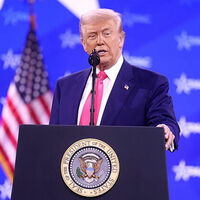
In October2025, the legal chess game escalated again. On 9October, Chinas Ministry of Commerce issued new exportcontrol notices imposing licensing requirements on rareearthbased materials, semiconductor technologies and superhard materials andfor the first timeintroduced an extraterritorial50%ruleunder which foreign companies owned 50percent or more by listed entities are presumed ineligible for licences. The following day,Donald Trumpannounced on social media that he would impose a100 percent additional tariffon all Chinese imports byNovember 1, in retaliation for Chinas rare-earth export restrictions. These rapidfire moves illustrate how both governments are deploying legal instruments across multiple sectors to gain leverage.
Multinational tech giants are shifting from market competitors to policy agents of national strategy. They serve both as instruments of U.S. technological outreach and global influence, and as targets through which China demonstrates regulatory sovereignty and institutional confidence. This dual identity draws these firms into institutional rivalry, where their business decisions are increasingly shaped by geopolitical forces.
China is seeking togain an advantagein the ongoing battle of rules by shaping a new order of trade and regulation. The future contest will not only centre on who can build the most powerful chips, but on who can set the rules governing their use and exchange. For companies and policymakers worldwide, this represents not only a challenge but also a critical institutional transformation they cannot afford to ignore.In December2024, Chinas State Administration for Market Regulation (SAMR)opened an antitrust investigation into US chipmaker Nvidia, alleging that the company failed to honour commitments attached to its 2020 purchase of the Israeli networking firm Mellanox. By September2025, the regulatorissuedapreliminary findingthat Nvidia had violated Chinas antimonopoly law and would continue its probe. This apparently commercial case illustrates how SinoUS technology competition has shifted from product rivalry to legal warfare. As Washington tightens export controls on cuttingedge chips, Beijing is increasingly using its own legal framework to regulate foreign firms, signalling that the contest is becoming legalised.
SAMRs investigation into Nvidia has focused on two key issues. The first concerns Nvidias alleged bundling of Mellanox networking equipment with its GPUs, which could restrict customers access to competing accelerators. The second involves the launch of theChina-specific H20 chipsmodified to comply with U.S. export controlsan act seemingly inconsistent with Nvidias earlier pledge to provide Chinese clients with fair and non-discriminatory access to its products. Beyond procedural considerations, the timing of the investigation and its preliminary findings may also reflect Beijings growing confidence in domestic semiconductor capacity. A comparison of Nvidias core product lines further suggests that Chinese firms are catching up across multiple fronts and have already developed viable alternatives.
Within the broader context of ChinaUS technology competition, the investigation reflects Chinas resolve to respond symmetrically to Washingtons tightening of export controls. The United States repeatedly updated itsexportcontrollists in 20232024, restricting sales of advanced AI chips by Nvidia and other suppliers to Chinese customers. Beijings probe into the Mellanox deal is therefore more than a routine compliance check; it is a strategic countermeasure demonstrating that China will no longer rely solely on tariffs or trade barriers but will instead enforce its own legal regime to regulate foreign firms and protect national technology interests.
Chinese authorities have deployed an array of toolsincluding antitrust enforcement, customs inspections and informal administrative guidanceto constrain Nvidias operations. Media reports describe customs officials intensifying inspections of H20 shipments and stateowned enterprises being instructed toslow purchases and test domestic alternatives. Such soft restrictions, though legally elastic, create space for domestic GPU makers and turn regulation into an industrialpolicy instrument. On the policy front, China emphasises supplychainselfsufficiency, elevating semiconductor substitution to a national strategy and channelling government procurement and subsidies towards local GPU developers such as Huaweis Ascend and startups like Cambricon.
Beijings growing confidence in deploying these legal instruments also stems from shifts in the global supply chain. The United States continues to face structural vulnerabilities in semiconductor production, relying heavily on Asian contract manufacturers such as TSMC for advanced fabrication. Meanwhile, Chinese chipmakers have narrowed capability gaps and gained political backing to assert themselves. This asymmetry enables Beijing to transform regulatory enforcement from a defensive measure into a proactive instrument of competition.
The Nvidia case underscores a trend in which both sides wield legal instruments as strategic weapons. Washington invokes national security to justify export bans and flexible licensing, while Beijing cites fair competition to justify antitrust interventions. The rhetorical symmetry masks a deeper legal tugofwar over control of the rules governing the global tech industry.
This regulatory contest reverberates beyond China and the United States. Thirdparty countries and multinational firms must navigate multiple compliance regimes, bearing the costs of divergent antitrust and exportcontrol frameworks. Global trade and competition law risks fragmentation, and multilateral forums such as the WTO struggle to mediate bilateral legal conflicts. Should China and the US establish parallel legal spheres in advanced technologies, global governance may drift towards a dualsystem equilibrium.
In October2025, the legal chess game escalated again. On 9October, Chinas Ministry of Commerce issued new exportcontrol notices imposing licensing requirements on rareearthbased materials, semiconductor technologies and superhard materials andfor the first timeintroduced an extraterritorial50%ruleunder which foreign companies owned 50percent or more by listed entities are presumed ineligible for licences. The following day, Donald Trump announced on social media that he would impose a100 percent additional tariffon all Chinese imports by November 1, in retaliation for Chinas rare-earth export restrictions. These rapidfire moves illustrate how both governments are deploying legal instruments across multiple sectors to gain leverage.
Multinational tech giants are shifting from market competitors to policy agents of national strategy. They serve both as instruments of U.S. technological outreach and global influence, and as targets through which China demonstrates regulatory sovereignty and institutional confidence. This dual identity draws these firms into institutional rivalry, where their business decisions are increasingly shaped by geopolitical forces.
China is seeking togain an advantagein the ongoing battle of rules by shaping a new order of trade and regulation. The future contest will not only centre on who can build the most powerful chips, but on who can set the rules governing their use and exchange. For companies and policymakers worldwide, this represents not only a challenge but also a critical institutional transformation they cannot afford to ignore.
Further Reading on E-International Relations
- Opinion Europes Lagging Position on Microprocessors
- Opinion US Export Controls and Chinas Semiconductor Industry
- Coexisting Influence: The Sino-American Competition in Europe
- Opinion A New Balance in Sino-US Relations?
- Rare Earths and Semiconductors in US Policymaking Amidst US-China Rivalry
- Opinion The US-China Tech Hegemony Contest: A Threat to the Neoliberal World Order
About The Author(s)
Xinger Weiis a doctoral researcher at the Manchester Institute of Innovation Research (MIoIR), University of Manchester. Her research explores how Artificial Intelligence shapes innovation performance and knowledge diffusion amid geopolitical tensions. Her current work focuses on the twin transition between digital and green technologies and examines how the ChinaUS rivalry is reshaping the global landscape of AI technologies through patent-based analysis.
Editorial Credit(s)Sebastian Boyd
TagsChinaSemiconductorsUnited States